Menopause · Women's Vitality
Plant Allies for the Change: Food-as-Medicine Through Menopause
8 min read
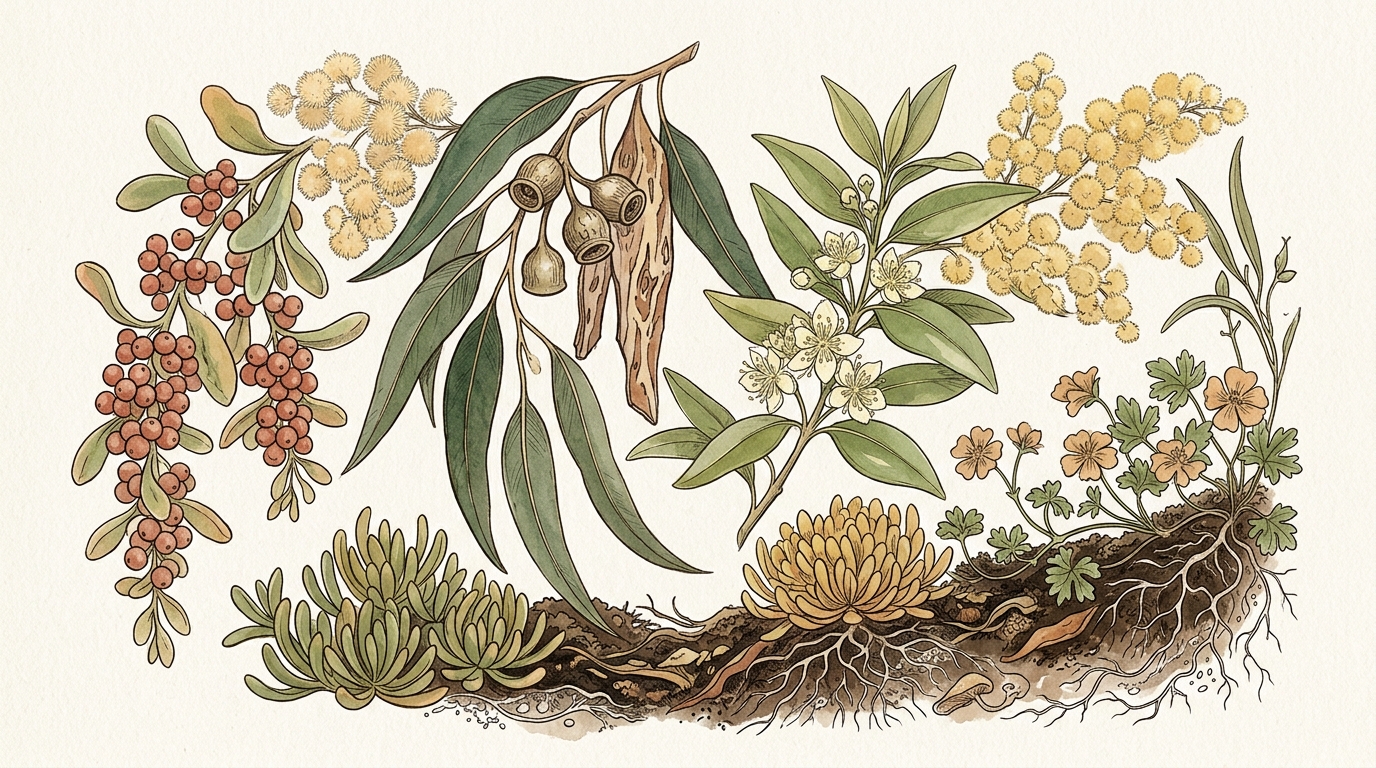
From phytoestrogen-rich foods to gentle herbal traditions, discover how plants can support your body through menopause—always in conversation with your healthcare team.
The transition through menopause is as ancient as humanity itself, yet each woman's journey remains uniquely her own. Alongside the wealth of modern medical options, many women are rediscovering what ancestral cultures have always known: plants offer gentle, nourishing support during times of great change. From the foods we place on our plates to traditional herbal allies, plant medicine invites us to work with our bodies rather than against them—always, of course, in partnership with practitioners who understand our individual health landscape.
Phytoestrogens are naturally occurring plant compounds that can gently interact with oestrogen receptors in the body, potentially offering modest support during hormonal flux. Whole soy foods—think tempeh, miso, edamame and traditionally fermented tofu—have been staples in East Asian cuisines for millennia, and observational research suggests populations consuming these foods regularly may experience milder menopausal transitions. Flaxseeds are another rich source, easily ground fresh and stirred into morning porridge or smoothies. Chickpeas, lentils and other legumes contribute smaller amounts while offering fibre, protein and mineral density. These aren't magic bullets, but rather everyday foods that may offer gentle, cumulative support when woven into a varied whole-foods pattern. If you're on HRT, thyroid medication or have a history of hormone-sensitive conditions, discuss phytoestrogen intake with your practitioner—even food-based compounds interact with medications and individual health contexts.
Beyond phytoestrogens, culinary herbs and spices carry their own wisdom. Sage has a long European tradition for managing perspiration and has been explored in small studies for hot flushes, though results are preliminary. A few fresh leaves in tea or cooked into dishes is culinary; therapeutic doses require practitioner guidance. Turmeric and ginger bring anti-inflammatory compounds to the table and have been valued across Ayurvedic and traditional Chinese frameworks for supporting circulation and warmth regulation. Black cohosh, red clover and vitex are often mentioned in menopause conversations, but these move firmly into therapeutic territory—they can interact with medications, affect hormone-sensitive tissues, and require professional dosing and monitoring. Never self-prescribe herbal supplements, especially if you're on any medications or have existing health conditions.
Australia's own plant world offers gentle allies, too. Lemon myrtle and native river mint bring aromatic, antioxidant-rich flavour to teas and cooking. Kakadu plum is among the richest known sources of vitamin C, supporting collagen integrity and immune resilience as our bodies recalibrate. Davidson plum and bush tomato add anthocyanins and unique phytonutrients to meals. These are foods, not medicines—culinary exploration rather than clinical intervention—but they reconnect us to the land underfoot and the deep nourishment it offers. As with any traditional plant use, we approach Australian botanicals with respect, recognising that some species hold cultural significance for First Nations peoples and are not ours to appropriate or commodify without permission and partnership.
Plant-forward eating during menopause isn't only about specific compounds—it's about creating an environment in which your body can adapt with grace. Abundant vegetables and fruits provide fibre for gut and metabolic health, antioxidants to buffer oxidative stress, and minerals like magnesium and potassium that support nervous system calm and bone density. Whole grains offer B vitamins for energy metabolism; nuts and seeds contribute healthy fats, vitamin E and zinc. This is the foundation: a plate that celebrates colour, variety, seasonal rhythms and pleasure. Herbs and specific plant allies are the grace notes, not the entire song.
The most powerful plant medicine may ultimately be the ritual itself—the morning tea steeped with intention, the kitchen garden tended, the soup simmered slowly on a Sunday. These acts ground us, literally and figuratively, in something older and wiser than the latest supplement trend. They remind us that menopause is not a deficiency disease to be corrected, but a profound biological transition deserving of support, respect and expert care. Bring your curiosity about plant allies to your GP, integrative practitioner or naturopath. Share what you're already eating or considering, ask about interactions, and build a plan that honours both evidence and intuition. Your body is changing, yes—but it is also phenomenally capable, and it deserves nourishment that is both scientifically sound and soulfully considered.