Precision Medicine · First Nations Australia × Modern science
The Perimenopause Paradox: When Hormones Dim the Fire Within
9 min read
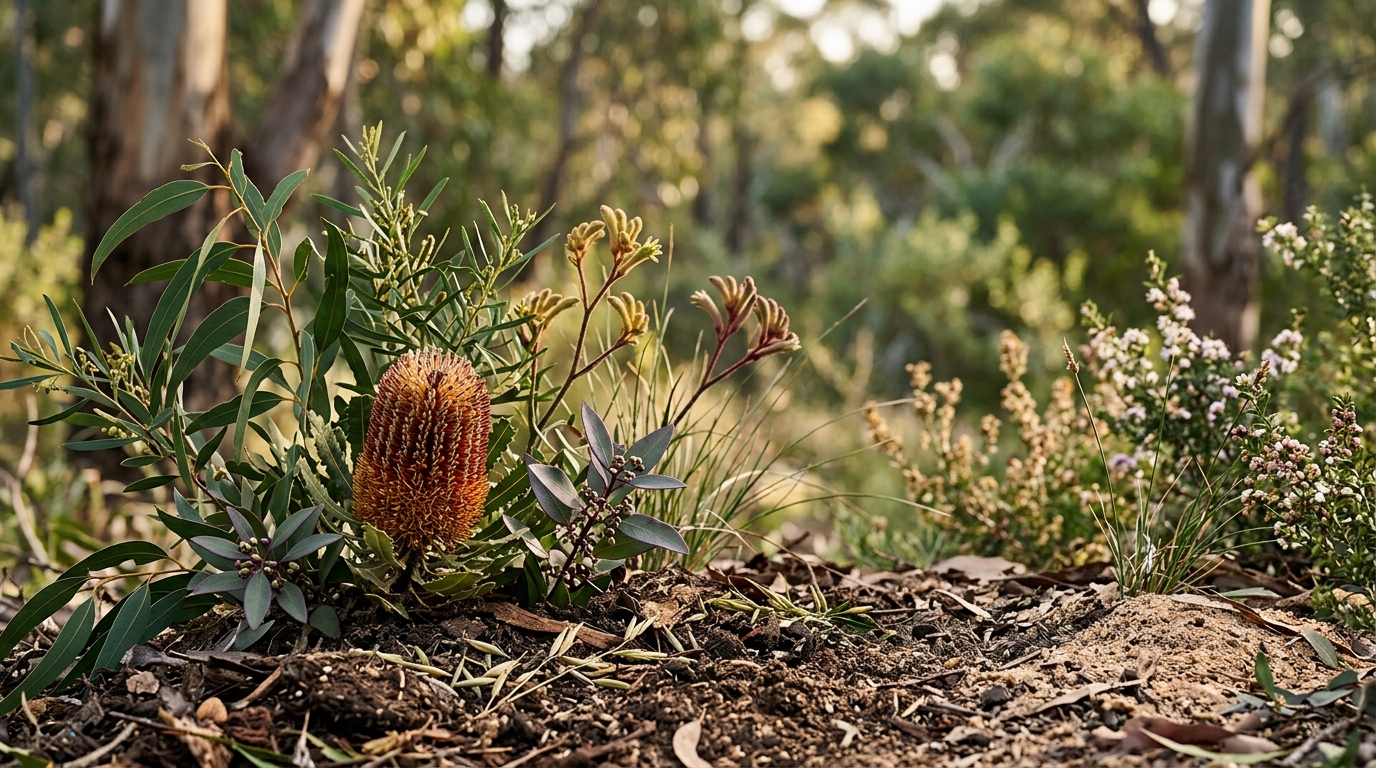
Perimenopause rewires more than cycles—it shifts liver metabolism, neurotransmitter drive, and the very spark that once got you moving. Understanding this transition through both endocrine science and Country-centred wisdom changes everything.
There's a conversation that happens in whispered tones among women in their forties: the weights feel heavier, the morning run feels impossible, the body that once responded predictably now seems to operate by different rules entirely. This isn't laziness or lack of willpower—it's perimenopause rewriting the metabolic and neurochemical map.
The oestrogen fluctuations that define this transition don't just shift menstrual patterns; they alter liver detoxification pathways, change how the brain produces and responds to dopamine and serotonin, and fundamentally reshape the relationship between motivation, movement, and body composition.
For First Nations women, this life stage has traditionally been recognised as a threshold—a time of deepening knowledge and shifting energy that required different foods, different rhythms, different care. Modern precision medicine is finally catching up to what Indigenous grandmothers have long known: this transition demands respect, not resistance.
The liver sits at the centre of this perimenopausal storm. As oestrogen levels swing—often higher than ever before they eventually decline—the liver must metabolise these surges through Phase I and Phase II detoxification pathways. When these pathways are burdened by environmental toxins, poor gut function, or nutritional deficiencies in B vitamins, magnesium, and sulfur-containing amino acids, oestrogen metabolites can take problematic routes.
Some are recycled back into circulation rather than eliminated, creating oestrogen dominance relative to progesterone even as overall levels become erratic. This isn't just about hot flushes—it's about insulin sensitivity declining, cortisol patterns shifting, and the body becoming increasingly efficient at storing rather than burning fat, particularly around the middle. Meanwhile, these same hormonal fluctuations affect the production and receptor sensitivity of dopamine and serotonin, the neurotransmitters that govern motivation, reward, and the capacity to push through physical discomfort. When dopamine dips, the gym doesn't just feel hard—it feels pointless.
From a Gangulu perspective and broader First Nations understanding of women's health, this transition was never meant to be endured in isolation or fought with deprivation. Women moving into this life phase were often supported with specific bushfoods—liver-supporting plants rich in bitters and antioxidants, mineral-dense foods from Country, adaptogens before we had that word for them.
The knowledge that different seasons of life require different medicines is embedded in caring for Country: just as land needs different treatment after fire or flood, the perimenopausal body needs different nutritional and movement support than it did at thirty. Kakadu plum, with its extraordinary vitamin C content, supports both Phase I liver detoxification and collagen integrity. Warrigal greens and native miner's lettuce provide bioavailable minerals that support methylation pathways crucial for hormone metabolism.
Davidson plum and muntries offer polyphenols that modulate inflammation and insulin signalling. This isn't about exotic superfoods—it's about the precision medicine that grows from the ground beneath your feet.
The weight management conversation during perimenopause has been catastrophically oversimplified into 'eat less, move more' rhetoric that ignores the neuroendocrine reality. When progesterone declines earlier than oestrogen, as it typically does, GABA—the calming neurotransmitter—also drops, increasing anxiety and disrupting sleep. Poor sleep further dysregulates ghrelin and leptin, the hunger and satiety hormones, while also impairing the liver's overnight detoxification work.
When dopamine pathways are blunted by fluctuating oestrogen, the reward from exercise diminishes, and what once felt invigorating now feels depleting. Chronic caloric restriction in this context often backfires, further stressing an already-taxed hypothalamic-pituitary-adrenal axis and down-regulating metabolism. The body, in its ancient wisdom, interprets restriction during hormonal instability as famine and holds on tighter. This is where precision approaches—nutrient timing, cycle-aware movement, liver-support protocols, and nervous system regulation—become essential rather than optional.
Reconnecting to ancestral patterns means recognising that movement during this transition looks different. First Nations women's traditional work was varied—gathering, processing, walking Country, but also resting, sitting in circle, teaching. There was no expectation of daily high-intensity training regardless of internal state.
Modern research on exercise and perimenopause increasingly supports this: strength training becomes crucial for maintaining muscle mass and insulin sensitivity, but overdoing cardiovascular exercise without adequate recovery can elevate cortisol and worsen hormonal chaos. Walking on Country, with its combination of gentle movement, sunlight, grounding, and nervous system regulation, offers something a gym treadmill cannot. The motivation question isn't about forcing yourself harder—it's about addressing the neurochemical and metabolic foundations first: supporting liver detoxification with bitter greens and sulfur-rich foods, ensuring adequate protein and healthy fats to stabilise blood sugar, prioritising sleep and circadian rhythm, and using adaptogenic plants that support both energy and stress resilience.
The precision medicine approach to perimenopause honours both the biochemical complexity and the lived experience of this transition. Functional testing can reveal oestrogen metabolite patterns, thyroid function, cortisol rhythms, and nutrient status—offering a map rather than guesswork. But the wisdom layer asks: What does your body need right now, in this season? What would caring for yourself the way we care for Country look like—with patience, attention to cycles, and trust in regeneration? The weight struggle and motivation loss aren't personal failures; they're signals from an intelligent system navigating massive change. When we support liver function, nourish neurotransmitter pathways, align movement with hormonal reality, and resource the nervous system, something shifts. Not overnight, not with force, but with the steady renewal that happens when we finally stop fighting our biology and start listening to it.
This is the perimenopause that's rarely spoken about—the one where understanding replaces shame, where precision replaces guesswork, and where the deep knowledge of how to tend to a body in transition becomes medicine itself. You are not broken. You are transforming. And transformation, done well, requires different fuel, different rhythms, and a hell of a lot more self-compassion that has always been at the heart of Indigenous hormonal balance which can help all of us.