Menopause · Women's Vitality
The Second-Spring Self: Purpose, Identity and Connection Through the Change
8 min read
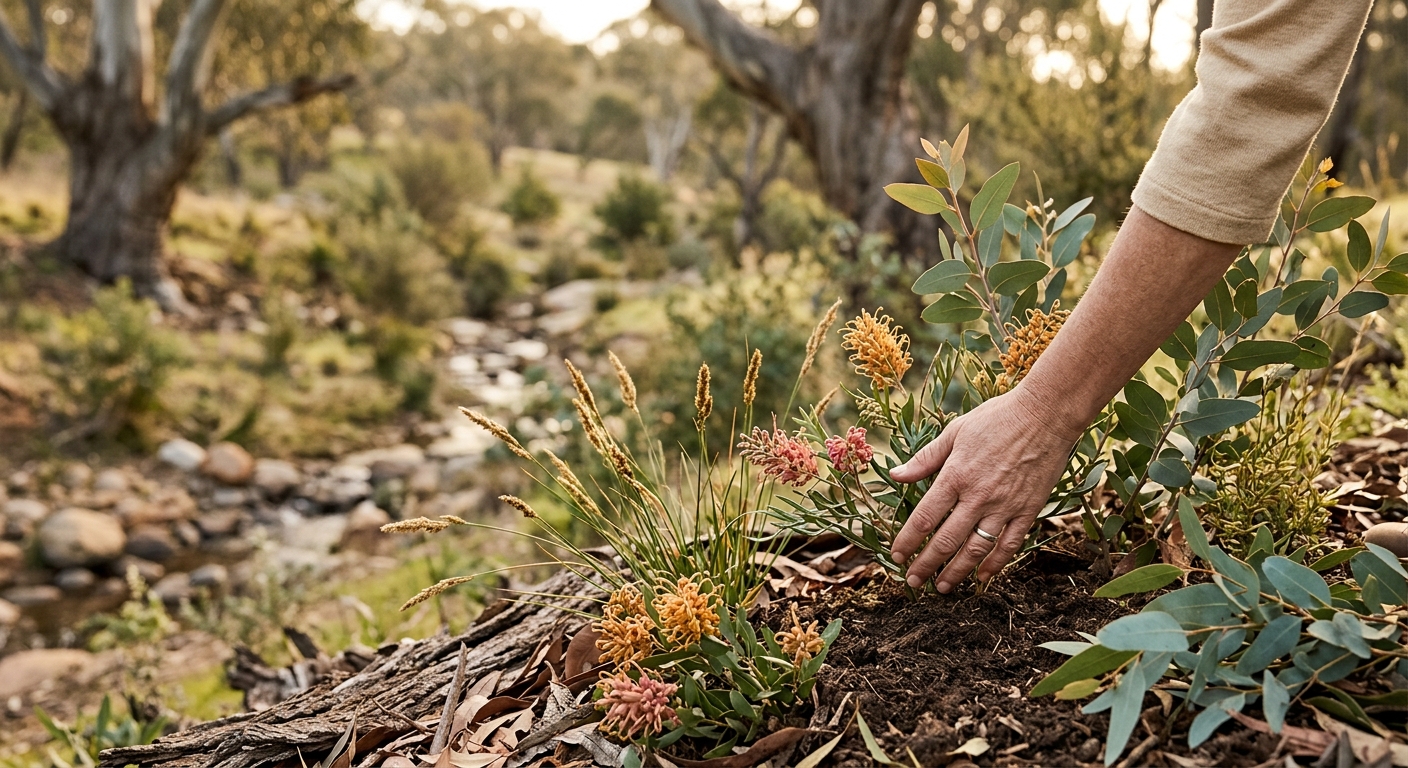
Menopause marks not an ending but a threshold—a profound invitation to redefine purpose, deepen connection and step into a season of clarity, creativity and quiet authority.
There is an old wisdom, whispered across cultures and continents, that menopause is not a decline but a doorway. In Traditional Chinese Medicine it is called the Second Spring—a time when the energy once devoted to fertility and outward care turns inward, nourishing wisdom, sovereignty and a deeper knowing of self. Far from being an end, this transition invites us to ask different questions: Who am I beyond the roles I have carried? What do I truly value now? How do I wish to live, love and contribute in this next chapter?
For many women, the hormonal shifts of perimenopause and menopause arrive alongside seismic changes in identity. Children leave home, careers plateau or shift, relationships are re-negotiated, parents age. The body changes—energy fluctuates, sleep patterns alter, skin and shape transform. It can feel disorienting, even destabilising. Yet within this upheaval lies a potent opportunity: to shed what no longer serves, to reclaim parts of ourselves set aside, and to step into a season of life marked not by diminishment but by clarity, creativity and quiet authority. This is the work of the Second Spring—not a return to youth, but a homecoming to self.
Purpose in this phase is rarely about grand reinvention. It is more often found in the small, steady reclamations—picking up a creative practice long abandoned, advocating for something that matters, mentoring younger women, tending the land, deepening spiritual inquiry, or simply allowing rest to be generative rather than guilty. Research into post-reproductive vitality across cultures shows that women who cultivate new skills, engage in meaningful community roles and maintain strong social bonds report greater life satisfaction and resilience. Purpose here is not about productivity—it is about alignment. What feels true now? What nourishes rather than depletes? These questions become compass points.
Connection, too, shifts in the menopausal years. There is often a natural pruning of relationships—a newfound intolerance for performative friendships, superficial small talk, or obligations born of duty rather than desire. This is not bitterness; it is discernment. Many women describe a deepening of intimacy with a chosen few, a return to sisterhood, and a hunger for conversations that matter. Circle work, women's groups, creative collaborations and intergenerational mentoring become not just social outlets but lifelines—spaces where experience is honoured, stories are witnessed, and the menopausal journey is met with recognition rather than erasure. Indigenous cultures have long understood this: the elder woman as keeper of stories, guide, and steady presence in the community's fabric.
Physically supporting this transition can gently bolster the inner work. A nourishing foundation—adequate protein, healthy fats, phytoestrogen-rich foods like flaxseeds and legumes, and an abundance of colourful vegetables—helps buffer hormonal fluctuations and supports sustained energy. Adaptogenic herbs such as withania, rhodiola and shatavari have traditionally been used to support resilience during times of change, though it is essential to consult your practitioner, as herbs can interact with medications and individual needs vary. Movement that feels good—whether walking in nature, strength training, dance, or gentle yoga—anchors us in our bodies and reminds us of our capacity and strength. Sleep, often disrupted during this time, deserves particular care: consistent rhythms, a cool dark room, and perhaps the support of passionflower or magnesium under practitioner guidance.
Yet the deepest medicine may be the permission to pause. To let this transition be slow. To resist the cultural pressure to stay the same, look the same, produce the same. Menopause asks us to metabolise not just changing hormones but a lifetime of conditioning—about worth, beauty, relevance and voice. It asks us to grieve what is ending and to trust what is emerging. This is not passive. This is the radical, embodied work of becoming.
The Second Spring is not about reclaiming youth. It is about claiming authority—over your time, your energy, your voice, your body. It is about recognising that the second half of life is not a footnote but a distinct season with its own gifts: perspective, discernment, freedom from the tyranny of others' opinions, and the courage to speak truth. It is a time when many women step into leadership—not because they seek power, but because they have finally stopped apologising for taking up space. This threshold is not an ending. It is an invitation to begin again, on your own terms, rooted in your own knowing. And that is a kind of spring all its own.